


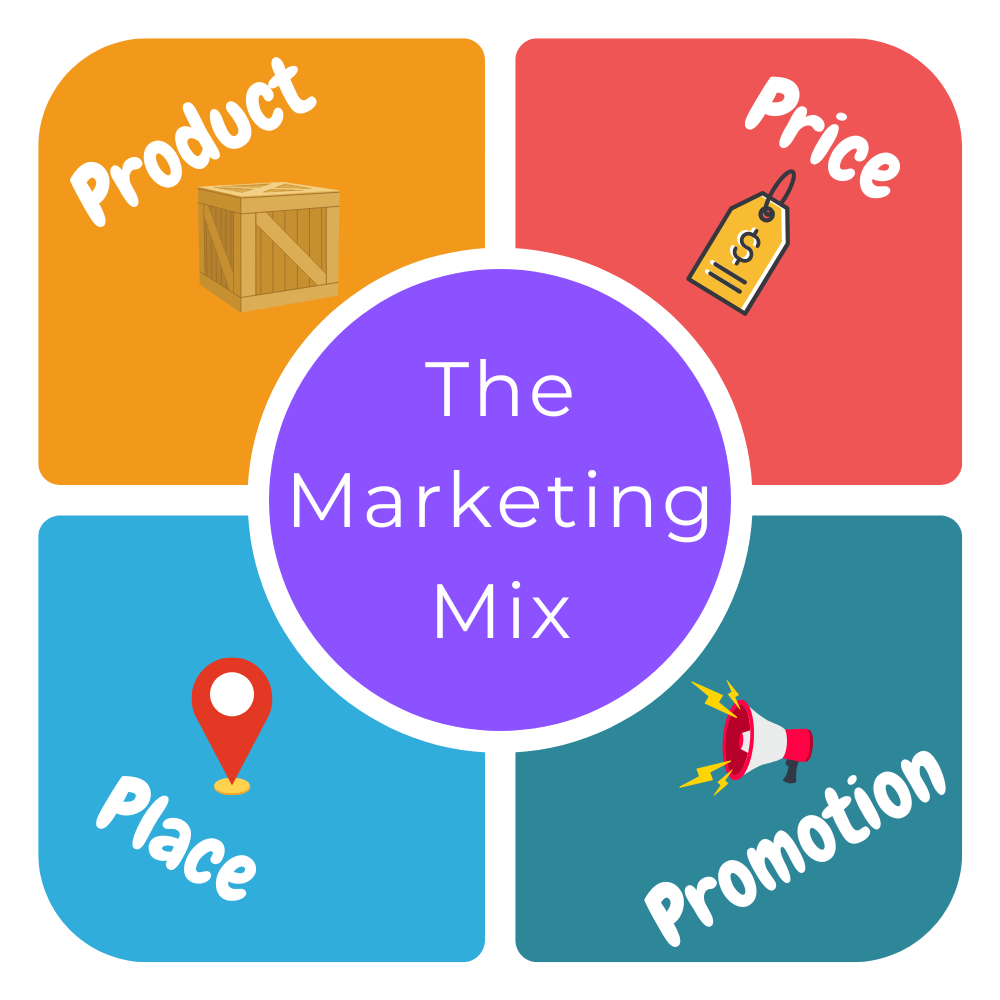
Professor Edmund McCarthy’s 4 Ps of marketing might have been born in 1960, but they remain the bedrock of any solid business strategy. Think of them as the "marketing mix," a classic framework that helps you define your options across product, price, place, and promotion. When you align these four pillars with what your customers actually want, you stop shouting into the void and start seeing real growth.
While most businesses can list the 4 Ps, few actually master them. This guide breaks down each component with practical strategies to help you sharpen your edge.
Product: The Core of Your Value
At its heart, your product is more than just a line item on a spreadsheet. It is a solution to a problem. A successful product doesn't just fill a gap; it anticipates what the customer will need next.
- Brand Building: A brand is far more than a logo. It is the personality of your business. To build trust, keep your identity consistent across every single interaction.
- Service as a Product: In a crowded market, your support is your differentiator. Whether it is a quick reply to an email or a helpful returns process, the experience is part of what people are buying.
- The Lifecycle: Products have seasons: introduction, growth, maturity, and decline. Recognising where you are helps you decide when to add new features or when it is time to retire an old favourite.
Price: Finding the Sweet Spot
Pricing is a psychological game. It is the primary way customers judge your value before they even try your service.
- Value-Based Pricing: Instead of just looking at your costs, look at the "win" for the customer. If your software saves a company ten hours a week, price it based on that saved time, not just the code.
- Psychological Triggers: Small shifts matter. "Charm pricing" (like £9.99 instead of £10) still works because our brains process the first digit most heavily.
- Dynamic Adjustments: In the digital age, prices don't have to be static. Using data to adjust for demand or seasonal trends keeps you competitive without leaving money on the table.
Place: Being Where the Action Is
"Place" is all about friction. If it is hard to find or buy your product, people won't bother. You need to be exactly where your target audience hangs out.
- The Omnichannel Approach: Modern customers move between phones, laptops, and physical shops. Your goal is a seamless transition, such as "click-and-collect" or social media shops.
- Logistics Matter: A great product loses its charm if it arrives late. Streamlining your supply chain is a marketing move, not just an operational one.
- Digital Real Estate: Your website and your presence on third-party marketplaces (like Amazon or Etsy) are your digital storefronts. Optimise them for mobile first, as that is where most journeys begin.
Promotion: Telling a Story That Sticks
Promotion is the art of getting the right message to the right person. It is not just about ads; it is about building a community.
- Content Marketing: Stop selling and start teaching. By creating valuable guides or entertaining videos, you become a thought leader rather than just another salesperson.
- Social Proof and Influencers: People trust people more than they trust logos. Partnering with creators who genuinely like your product adds a layer of credibility that a billboard cannot match.
- Data-Driven Decisions: Use your analytics. If your email campaigns are getting clicks but your social ads aren't, shift your energy. Marketing is an experiment that never truly ends.
The Modern Marketing Mix
The 4 Ps are not four separate boxes; they are four gears that must turn together. If you change your Product to be more premium, your Price must rise, and your Place might move from a general marketplace to a boutique site.
In 2026, the secret sauce is customer-centricity. When you apply these four principles with a "customer-first" mindset, you create a strategy that doesn't just survive the changing digital landscape but thrives within it.