

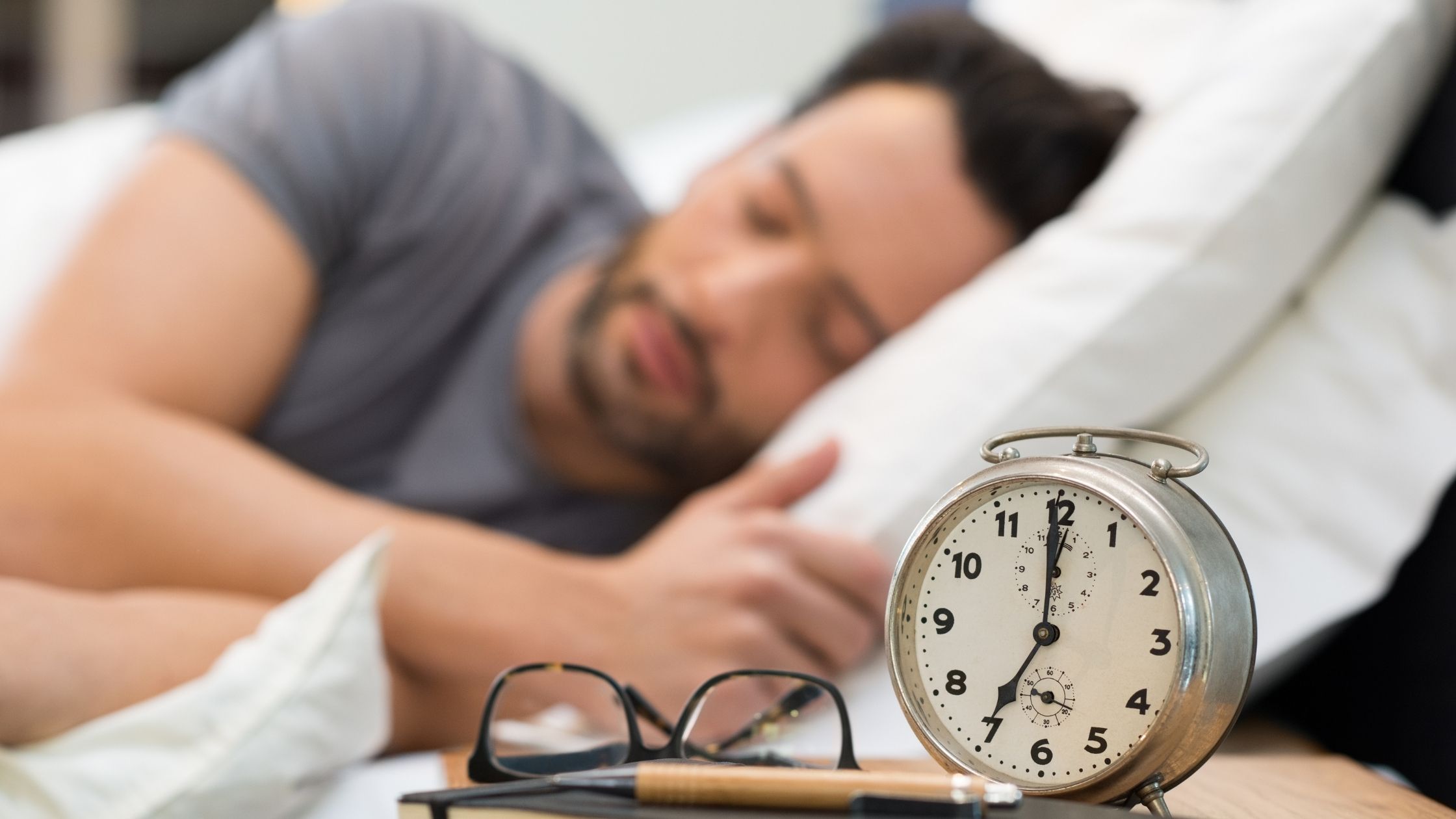
Sleep is often the first thing we sacrifice when life gets busy. We stay up late to finish a project or binge-watch a series, assuming we can just "power through" the next day with an extra coffee. But sleep isn't just downtime; it is a sophisticated biological process that keeps your brain and body from redlining.
When we skimp on rest, we aren't just tired. We are physically less capable. Without enough sleep, your brain’s ability to focus, solve problems, and even regulate your temper starts to fray. Long-term, this isn't just about productivity; chronic sleep deprivation is a major contributor to serious health issues like heart disease, diabetes, and clinical anxiety.
Decoding the Sleep Cycle: Why Quality Beats Quantity
A "good night’s sleep" is more than just staying unconscious for eight hours. Your brain needs to move through specific cycles to do its job. If you’re constantly woken up by a snoring partner or a bright streetlamp, you might "sleep" for a long time but wake up feeling like you’ve been hit by a truck.
- The Physical Repair Shop (Deep Sleep): During the deepest stages of non-REM sleep, your body is hard at work. It releases growth hormones to repair muscle and bone, while your immune system produces cytokines to fight off infections. This is why you often "sleep off" a cold.
- The Emotional Filing Cabinet (REM Sleep): Rapid Eye Movement (REM) is when you dream. This is where your brain processes the day's emotions and files away new memories. Without enough REM, you might find yourself more irritable or forgetful the following day.
Building a Sanctuary: Your Environment Matters
Your bedroom should be a "cue" for sleep. If you use your bed for work, answering emails, or eating, your brain stops associating that space with rest. To fix this, think about the three pillars of a sleep-friendly room: Dark, Cool, and Quiet.
- The Temperature Sweet Spot: Our body temperature naturally drops as we prepare for sleep. A room that is too warm (over 20°C) can prevent this drop, leading to restless tossing and turning. Aim for a cool 18°C.
- The Darkness Factor: Even a small amount of light, like the glow from a digital clock or a gap in the curtains, can tell your brain to stop producing melatonin. If you can't get your room pitch black, a high-quality silk eye mask is a game changer.
- The Soundscape: Silence is ideal, but for city dwellers, it’s often impossible. "Brown noise" (lower frequency than white noise) or a steady fan can mask the sounds of traffic and sirens that might otherwise startle you awake.
Why Your "Internal Clock" is Your Best Friend
You have an internal 24-hour timer called the circadian rhythm. It thrives on one thing above all else: Consistency.
If you wake up at 7:00 AM during the week but sleep in until 11:00 AM on Saturday, you’re giving yourself "social jetlag." Your body gets confused about when to start its internal shutdown sequence. By sticking to a strict wake-up time, even on your days off, you’ll find it much easier to fall asleep naturally when night falls.
The "Wind-Down" Ritual
Think of your brain like a massive engine; you can't just flip a switch and expect it to stop instantly. You need a buffer zone.
- Dim the lights: Lowering the lights in your living room an hour before bed signals to your brain that the sun has "set."
- The "Brain Dump": If you lie awake worrying about tomorrow's to-do list, spend five minutes writing it all down on paper. Once it’s on the page, your brain feels "permitted" to stop ruminating on it.
The Modern Sleep Stealers
We live in a world designed to keep us awake. From the "infinite scroll" of social media to the 4:00 PM latte, we are constantly overstimulating our nervous systems.
The Blue Light Myth?
It isn't just a myth. The blue light from your phone mimics the frequency of morning sunlight. This tells your brain to stop making melatonin. While "night mode" filters help, the bigger issue is often the content. Checking the news or social media triggers hits of dopamine and cortisol, which are the biological opposites of sleep.
Caffeine’s Long Shadow
Caffeine blocks adenosine, the chemical in your brain that builds up throughout the day to make you feel sleepy. Even if you can fall asleep after an evening espresso, the quality of that sleep is often shallow and unrefreshing because the caffeine is still chemically blocking your body’s ability to enter deep sleep.
When "Trying Harder" Isn't the Answer
For some, sleep isn't a matter of "trying harder." If you find yourself gasping for air in your sleep, experiencing "creepy-crawly" sensations in your legs, or feeling exhausted despite doing everything right, you might have a sleep disorder.
Medical conditions like sleep apnoea or restless leg syndrome require more than just blackout curtains. If your sleep issues are persistent and affecting your mental health, talking to a GP is the most productive step you can take. They can help you rule out underlying issues and get you the specific support you need.
Quick-Start Guide to Better Rest
| The Challenge | The 1-Minute Fix |
| Mind Racing | Keep a notepad by the bed for "brain dumping." |
| Too Bright | Use an eye mask or "blackout" liners. |
| Too Warm | Switch to cotton or linen sheets; they breathe better. |
| Digital Distraction | Charge your phone in a different room overnight. |
Taking care of your sleep is a form of self-respect. When you’re well-rested, not only are you a better worker; you’re a more patient partner, a more focused friend, and a healthier human being.
90-Minute Wind-Down Checklist
This routine is structured to work with your biology, giving your brain the time it needs to transition from active "day mode" to restorative "night mode."
- 90 Minutes Before Bed: The "Kitchen Closure"
- Finish your last heavy meal or spicy snack to avoid indigestion.
- Switch to herbal tea (camomile or peppermint) or water.
- The Goal: Allow your core body temperature to begin its natural drop.
- 60 Minutes Before Bed: The "Digital Sunset"
- Put your phone on a charger in a different room.
- If you must use a screen, engage "Night Shift" mode, but try to avoid social media or news.
- The Goal: Stop the suppression of melatonin caused by blue light.
- 45 Minutes Before Bed: The "Brain Dump"
- Spend five minutes writing down tomorrow’s to-do list or any nagging worries on a physical notepad.
- The Goal: Offload "open loops" from your working memory so your brain doesn't keep you awake processing them.
- 30 Minutes Before Bed: The Sensory Shift
- Lower the lights in your home to create a "dusk" environment.
- Engage in one low-stimulation activity: read a physical book, listen to a calm podcast, or take a warm bath.
- The Goal: Signal to your circadian rhythm that the sun has set.
- 10 Minutes Before Bed: Final Environment Check
- Ensure the bedroom is cool (around 18°C).
- Double-check that all light sources, including standby LEDs, are covered or turned off.
- The Goal: Maximise deep sleep by removing potential midnight "jolts."